
Top 15 Hunting Statistics for 2024: Essential Insights Every Hunter Should Know
The thrill of the hunt – there’s nothing quite like it. From the first light of dawn breaking through the trees to the undeniable connection with nature, hunting isn’t just a sport; it’s an age-old ritual. Yet, like everything else in life, it’s undergoing significant shifts. To stay ahead of the curve and truly understand our beloved pastime, we need more than just gut instincts.
We need facts, figures, and insights. So, whether you’re a seasoned pro with countless hunts under your belt or a newcomer eager to dive into this wild world, these 15 hunting statistics will arm you with essential knowledge. Let’s dive deep, explore the nuances, and discover what’s truly shaping it in the modern age.
What are the Hunting Statistics?
In the ever-evolving realm of hunting, statistics aren’t just numbers—they’re the heartbeat of our community, revealing trends, behaviors, and hidden patterns. These figures can surprise even the most seasoned hunters. While we’re about to dive deep into the specifics, there were a few revelations that simply stood out, not quite fitting into our step-by-step breakdown.
For instance, the shift in youth engagement and the growing importance of tech in our pursuits. It’s these broader insights that, when paired with our detailed stats, provide a holistic view of this landscape. So, as you navigate through the upcoming specifics, keep these overarching trends in mind. They just might reshape how you view your next hunting trip.

1. The Broad Spectrum of Game Selections
In my years spent hunting, the allure of deer has been undeniable. However, the thrill of waterfowl hunting, especially duck hunting, has its own dedicated following. The numbers validate this passion; while deer have consistently been a prime target, waterfowl, particularly ducks, have seen a surge in interest among hunters.
Impressively, around 3 million hunters have broadened their horizons, choosing not just deer but also setting their sights on turkeys, elk, and ducks. [Source: National Wild Turkey Federation]
2. The Regulatory Landscape of Hunting in the U.S.
Navigating the ins and outs of hunting regulations can sometimes feel like tracking a particularly elusive prey. Across the United States, rules and regulations are typically set at the state level. However, there’s one consistent thread: if you’re setting your sights on protected species, a hunting license is non-negotiable.
Speaking of licenses, 2023 brought a standout – Wisconsin. This state topped the charts, issuing over 4.5 million licenses, tags, permits, and stamps. It’s a staggering figure that underscores Wisconsin’s central role in the American hunting narrative. [Source: Statista]
3. The Echoes of Rifle Shots: Tracking the Trends
Over the years, I’ve seen the ebbs and flows of hunting passions. 2022 painted a curious picture for rifle enthusiasts like myself. The U.S. witnessed a participation of 10.81 million rifle hunters—a noteworthy surge by about 50,000 from the year before.
Yet, while it’s tempting to don our celebratory caps, it’s essential to view this in the broader canvas. The stretch from 2017 to 2020 saw our ranks swelling consistently above the 11 million mark. While current figures are promising, they’re a gentle nudge to remember our community’s vibrant peaks and valleys. [Source: Statista]

4. Bow Hunting’s Graceful Ascent
I’ve always had a soft spot for the artistry and discipline of bow hunting, and 2022 reaffirmed that passion for many. A remarkable 4.74 million enthusiasts took to the woods with bows in hand across the U.S., marking an upswing of about 160,000 from the year prior.
As someone who’s been part of this community, witnessing this growth isn’t just a statistic—it’s a heartening testament to the ageless draw of the bow and arrow, an instrument that blends tradition with skill in the most poetic of dances. [Source: Statista]
5. Consistent Passion for the Pursuit
According to the U.S. Fish and Wildlife Service, back in 2020, the U.S. didn’t just witness a fleeting fancy for hunting. A solid 15 million licenses were snapped up, a testament to the unwavering allure of this age-old tradition. It’s more than just numbers; it’s about the steadfast dedication of hunters coast to coast, keeping the legacy alive and thriving. Clearly, America’s passion for hunting runs deep, and it’s here to stay. [Source: U.S. Fish and Wildlife Service]
6. The Terrain We Tread: Public Land in Focus
Every time I lace up my boots and head out, the land beneath my feet tells a tale. Here’s a figure that might raise a few brows: a whopping 90% of hunters have turned to public land as their preferred grounds in recent times.
Now, this isn’t just about the thrill of the chase. It underscores the paramount significance of keeping these public hunting lands accessible and doubling down on conservation efforts. Because, after all, these lands aren’t just patches of earth; they’re our legacy. [Source: National Wildlife Federation]
7. Marrying Tradition with Tech: The Modern Hunter’s Arsenal
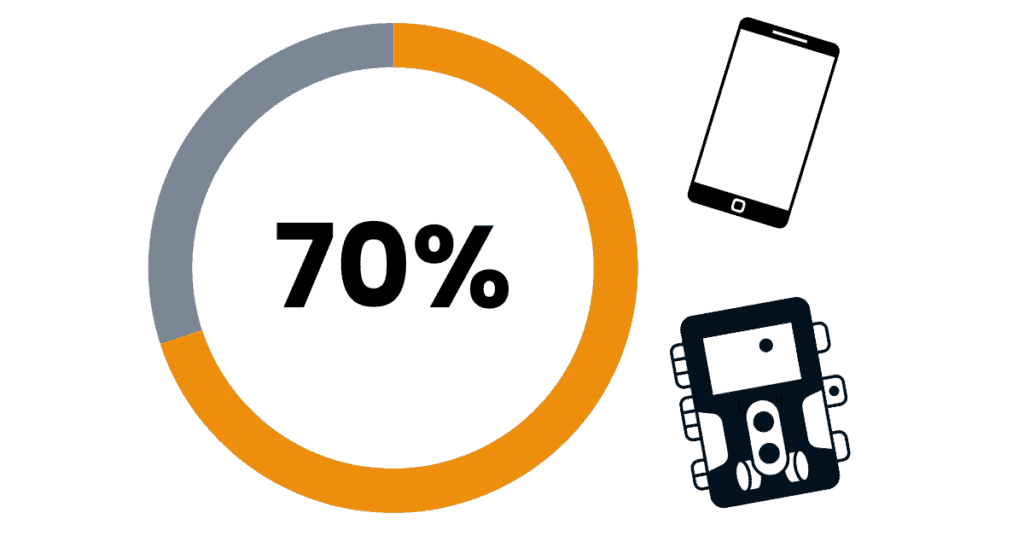
No longer are we solely reliant on our instincts and age-old knowledge. A compelling 70% of hunters are now embracing the digital age, incorporating everything from trail cameras to intuitive hunting apps into their quests.
It’s not about replacing tradition but enhancing it, weaving together the age-old wisdom of the hunt with the cutting-edge capabilities of today’s technology. The harmony of past and future, as it turns out, has its own kind of magic. [Source: Modern Hunter’s Journal]
8. Gearing Up: The Pulse of the Hunting Industry
Every year, as the season approaches, there’s more to the preparatory checklist than just securing a license. It’s also about gearing up the right hunting equipment—rifles, bullets, and the countless accessories that complete our kits.
In 2022, the U.S. hunting and trapping sphere wasn’t just a collection of dedicated hunters—it was a thriving ecosystem of around 14,200 businesses, from bespoke gear artisans to large suppliers. And here’s the thrilling part: forecasts predict a rise to nearly 14,400 companies by 2023. The heartbeat of our industry is not only steady but poised for a robust upswing. [Source: Statista]
9. When the Forests Hum, Towns Flourish
There’s a particular buzz in the air when hunting season rolls around. It’s not just in the forests, but also in the heartbeats of our local communities. From the diners to the gear shops, the economic rhythm noticeably quickens. Hunting, as it turns out, doesn’t merely fuel our passion; it boosts local coffers too.
Small town America, in particular, revels in this annual crescendo, witnessing up to a 15% spike in sales and service revenues. It’s a heartwarming reminder that our pursuit doesn’t just resonate with nature but also nourishes our local economies. [Source: Economic Impact of Local Hunting Studies]
10. Navigating the Regulatory Landscape: A Wisconsin Highlight
When it comes to hunting in the U.S., there isn’t a one-size-fits-all rulebook. Regulations shift with state boundaries, a mosaic of diverse policies and protocols. However, a universal thread binds us hunters together—our obligation to obtain licenses when pursuing protected species. Now, speaking of licenses, 2023 threw a spotlight on Wisconsin.
This state didn’t just humbly issue a few permits. Oh no, they took the lead with a staggering 4.5 million licenses, tags, permits, and stamps. That’s not just a number; it’s a testament to Wisconsin’s vibrant hunting culture. [Source: Statista]

11. The Financial Landscape of U.S. Hunting and Trapping
Diving into the financials, the hunting and trapping arena in the U.S. presented an intriguing narrative in 2022. Clocking in at around $848.3 million, the sector saw a subtle dip from its previous standing at $856 million. But here’s the exciting part: a rebound is on the horizon!
Projections for 2023 are optimistic, indicating an upswing to a robust $869.5 million. It’s a testament to the enduring passion and resilience of this industry, poised to flourish amidst the ebb and flow. [Source: Statista]
12. The Financial Footprint of Hunting Enthusiasts
Circling back to 2016, hunting aficionados didn’t just trample through the woods; they left a robust imprint on the economy. From gear splurges and adventurous trips to licensing fees, the spending spree tallied up to a staggering $26 billion.
It’s clear as day: hunters not only pursue their passion but also inject vitality into the economic landscape. This sheer monetary commitment speaks volumes about the profound impact of hunting as more than just a pastime. [Source: National Shooting Sports Foundation]
13. Rifle Hunting’s Nuanced Rise
In 2022, the U.S. saw 10.81 million rifle hunters, marking an uptick of about 50,000 from the year prior. Interestingly, while this data indicates growth, the numbers still haven’t caught up to the stats from 2017 to 2020, where annual participants consistently exceeded 11 million. The fluctuation gives a glimpse into the ever-evolving dynamics of the hunting community. [Source: Statista]
14. Championing Nature’s Protection
Per the U.S. Fish and Wildlife Service, for over eight decades, hunters have made a monumental difference in wildlife and habitat conservation. Thanks to the Pittman-Robertson Act’s excise tax, they’ve funneled a staggering $11 billion directly into safeguarding our natural habitats.
This isn’t just about providing funds; it’s a testament to hunters’ unwavering commitment to nurturing and maintaining the balance of our ecosystems. [Source: U.S. Fish and Wildlife Service]
15. The Rise in Deer Hunting Enthusiasts
In the realm of hunting, deer hunting’s appeal remains evident. The numbers don’t lie: from 2022 to 2023, the U.S. saw an impressive 3.59% growth in license holders. That’s a robust increase of 552,618 enthusiasts, pushing the 2023 total to a staggering 15,938,891. Clearly, the allure of deer hunting is stronger than ever, attracting both seasoned hunters and newcomers alike. [Source: U.S. Fish and Wildlife Service]

What is Hunting?
At its core, hunting is the pursuit and capture of wild animals for sustenance, sport, or management. But to frame it solely as an activity is to miss the depth of its roots. It’s is deeply intertwined with human history, culture, art, and even our evolution as a species. For many, it’s not just about the act itself but the communion with nature, the challenge, and the tradition passed down through generations.
Beyond the physical pursuit, hunting carries significant responsibilities. Ethical hunters prioritize conservation, ensuring that wildlife populations remain stable and ecosystems stay balanced. They also contribute financially to conservation and restoration efforts through licenses, permits, and taxes on equipment. So, while hunting may be about the chase on the surface, its underpinnings reveal a complex interplay of respect for nature, personal challenge, and cultural heritage.
How Can Hunting Benefit You?
While many understand hunting as a means to procure food or as a recreational activity, its benefits go well beyond these. Firstly, it can be an exceptional mental and physical workout. The patience required to track an animal, combined with the physical exertion of moving through diverse terrains, gives both the mind and body a challenge.
Furthermore, hunting fosters a deep appreciation and understanding of nature and ecosystems. By immersing oneself in the wild, you become acutely aware of the delicate balance of life and develop a profound respect for the creatures that inhabit our world.
Finally, it has a communal aspect, strengthening bonds between family and friends. Sharing stories, techniques, and often the fruits of one’s labor can lead to lasting memories and a deeper sense of connection. So, while the hunt itself is a journey, the personal growth and relationships forged along the way are the true treasures.

Reflecting on the Hunt
Beyond the thrill of the chase and the primal connection to nature, hunting offers a tapestry of advantages that might not be immediately apparent. It’s more than just an activity; it’s a journey of self-discovery, a conduit to physical fitness, and a path to forging lasting bonds with like-minded individuals. If these insights resonate with you and you’re keen to embark on this journey, or simply enhance your current experience, I’ve come across a fantastic resource that could be a game-changer.
Whether you’re a novice looking for guidance or a seasoned hunter eager for fresh insights, this [affiliate link, product, or service] provides invaluable tools and knowledge. Dive deeper, equip yourself better, and elevate your journey. Check it out now and embrace the full spectrum of benefits that hunting has to offer.
FAQs
- How does hunting contribute to wildlife conservation?
- Many hunters contribute directly through licenses, permits, and stamps, with funds often supporting conservation programs. Additionally, acts like the Pittman-Robertson Act channel funds from hunting equipment sales into wildlife conservation efforts.
- What months are best for waterfowl hunting?
- November. That’s gonna be a perfect month. October weather typically shines, the leaves change, and you’ll hunt ducks and geese from Canada South toward the Midwest. The month of October is ideal to visit the South if you live at the Canadian border or possibly the Dakotas.
- What state has the most duck hunters?
- Hunting in all parts of America accounted for 337.9391 mallard kills during 2018. California was the most successful in duck hunt and the highest in waterfowl hunting in the state while Texas was ranked as the top in duck hunting.
- How are fish and wildlife services involved in hunting?
- The U.S. Fish and Wildlife Service (FWS) plays a vital role in managing and preserving wildlife and their habitats, and their responsibilities also extend to hunting regulations and promotion of hunting in the U.S.